Quality Workmanship, Quality Materials, Quality Communication, and Quality Cleanup.
On many Rocky River homes, the most important repair areas are the transitions and edges where roofing materials meet other components. We commonly inspect:
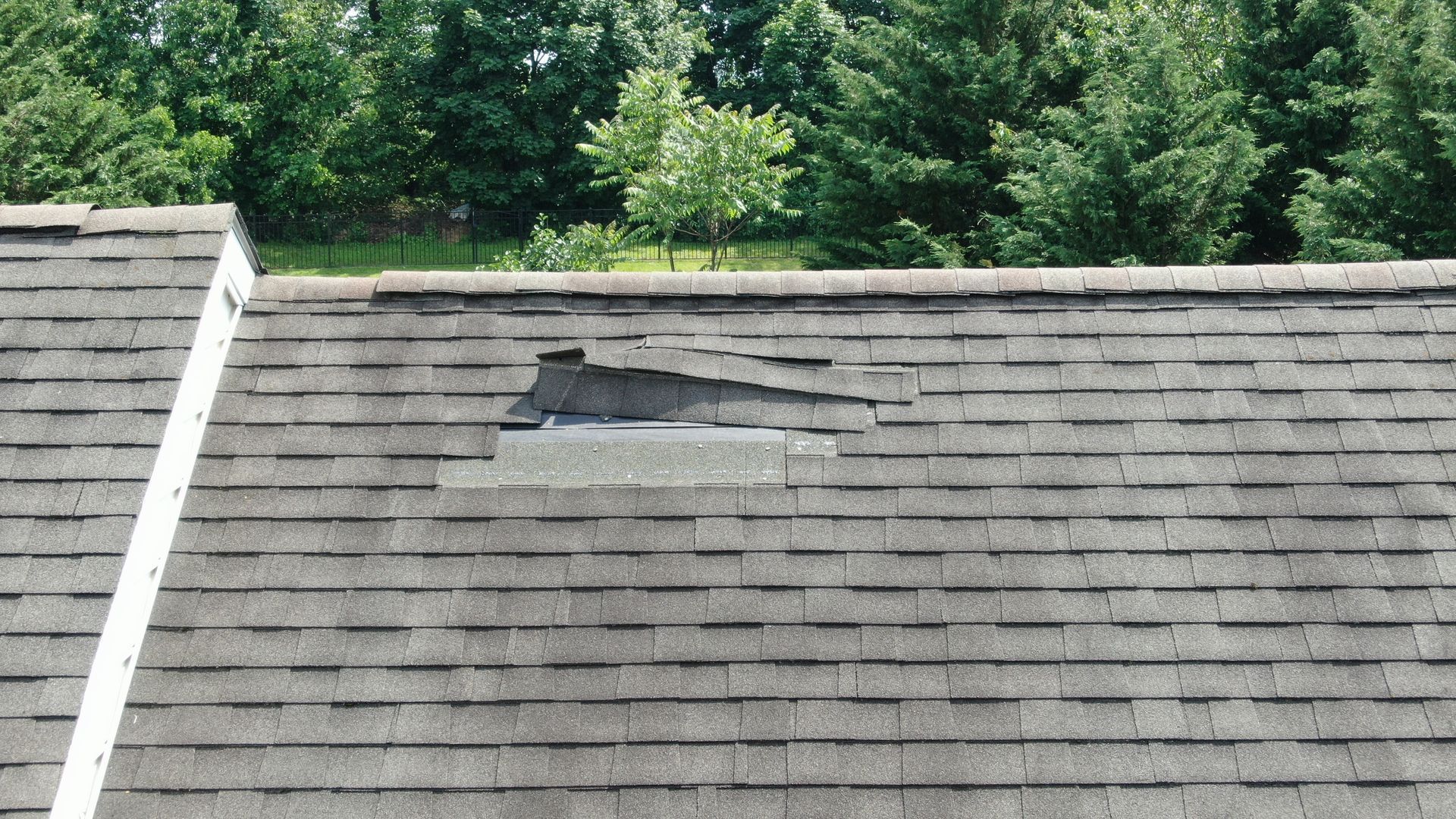
- Wind-lifted shingles and damaged ridge caps
- Chimney, sidewall, and step-flashing details
- Valleys, skylights, vents, and plumbing penetrations
- Eaves, roof edges, and gutter interfaces exposed to water backup
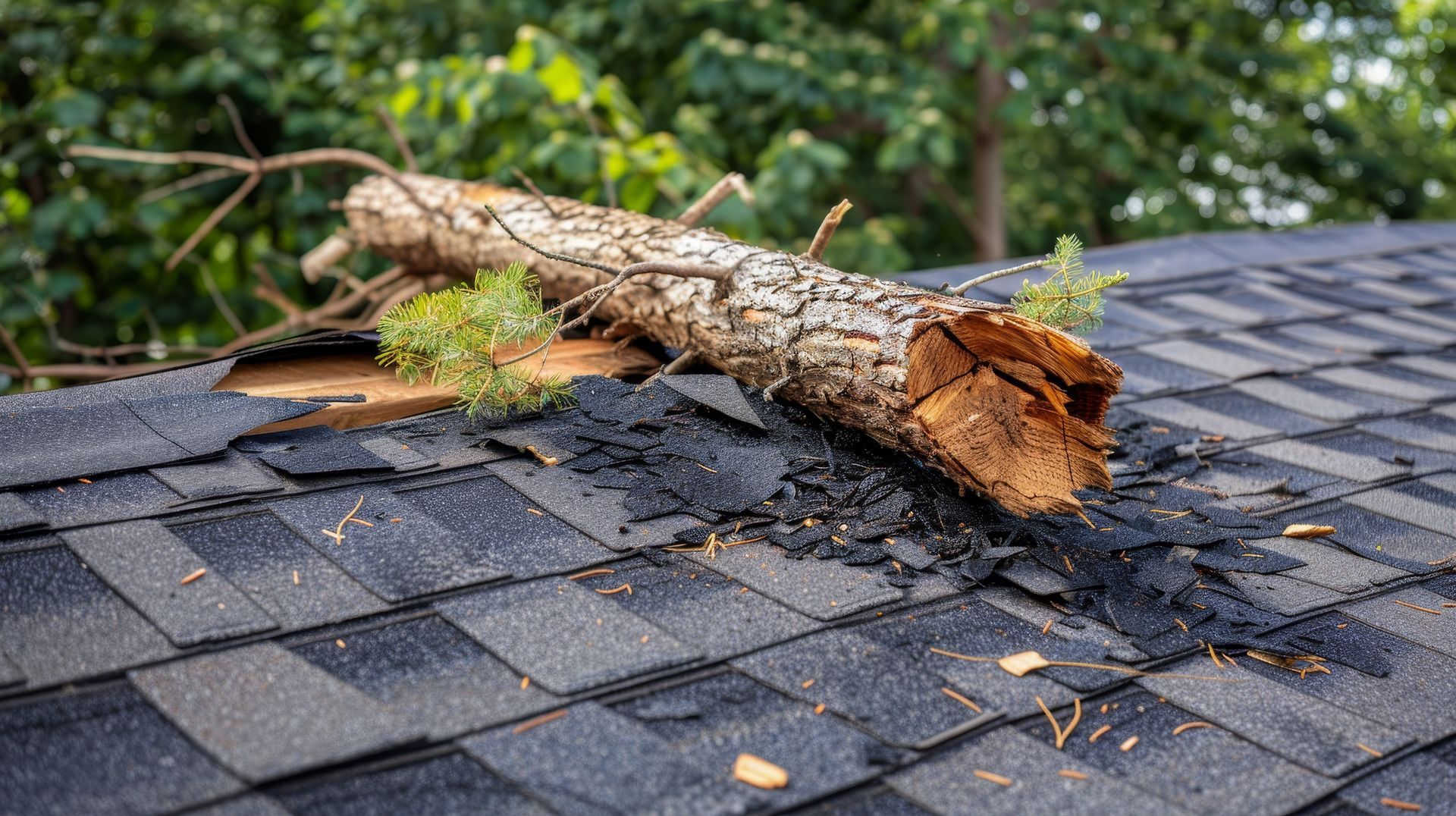
- Branch impact, abrasion, or puncture damage
- Attic moisture and ventilation conditions that can accelerate roof wear
The repair plan depends on which component actually failed and whether the materials around it are still in condition to support a durable repair.
A Rocky River repair may be as focused as replacing damaged shingles or rebuilding a flashing detail, or it may require correcting several connected components. We repair shingle damage, flashing, penetrations, chimney-related leaks, roof edges, ventilation-related problems, and localized storm damage.
Before recommending the scope, we also check whether the surrounding shingles are flexible enough to work with, whether nearby flashing is still sound, and whether drainage or attic conditions are contributing to the problem. That helps avoid spending money on a patch that is unlikely to last.
Grant’s Roof Diagnostic Report gives Rocky River homeowners a visual record of the conditions behind the recommendation. Photos can show lifted shingles, failed flashing, worn sealant, storm damage, drainage problems, or other details that are difficult to see from the ground.
When the evidence supports a repair, we define that repair clearly. If the roof has widespread deterioration, repeated failures, or materials that no longer make a dependable repair practical, we explain why replacement deserves consideration.
- Describe what changed. Tell us where you see water, missing materials, or storm damage and when the issue first appeared.
- Trace the likely source. We inspect the affected roof area plus the flashing, penetrations, edges, and drainage details around it.
- Review the evidence. We show you the documented conditions and explain the repair-versus-replacement decision.
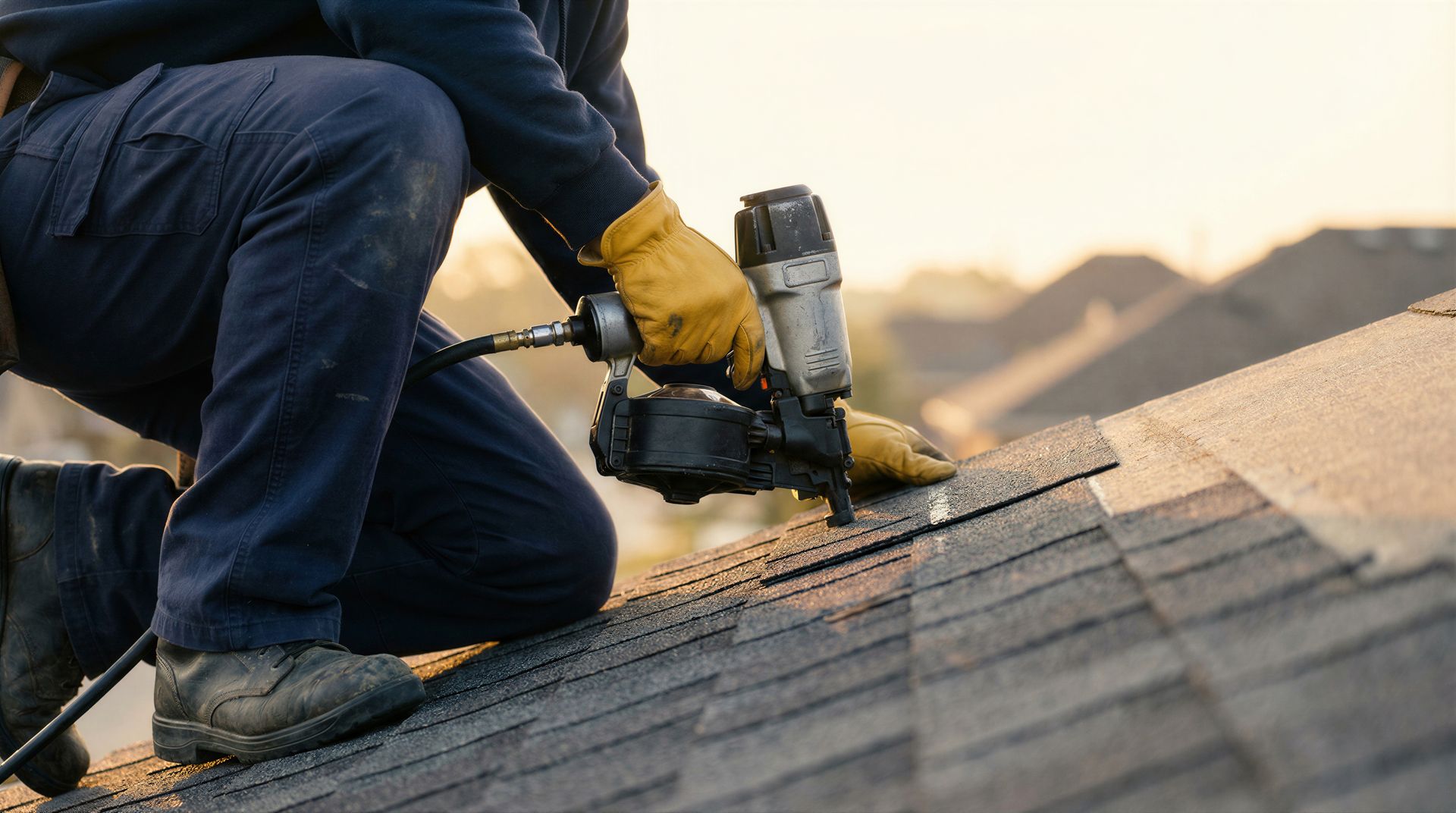
- Complete the agreed repair. The crew addresses the identified failure and protects the surrounding roof while the work is performed.
- Document completion. We verify the finished work and note any other roof conditions worth monitoring.

Strong wind near the lake can lift shingles or ridge components without creating an obvious opening from the ground, while hail and falling branches can damage surfaces, flashing, gutters, or decking. After a significant event, Grant Roofs Ohio can document visible conditions and separate isolated repair needs from more extensive damage.
If you choose to contact your insurance carrier, our photos and roofing estimate may be useful documentation. Coverage, deductibles, claim approval, and payment decisions remain with the carrier under your policy.
Grant Roofs Ohio's Guarantee
A localized roof repair does not automatically carry the same long-term coverage as a qualifying new Owens Corning roofing system. Repair coverage depends on the materials and scope of the work being performed. If the inspection shows that the roof should be replaced instead, Grant Roofs Ohio can explain the eligible Owens Corning system, installation requirements, and enhanced warranty options before the project begins.
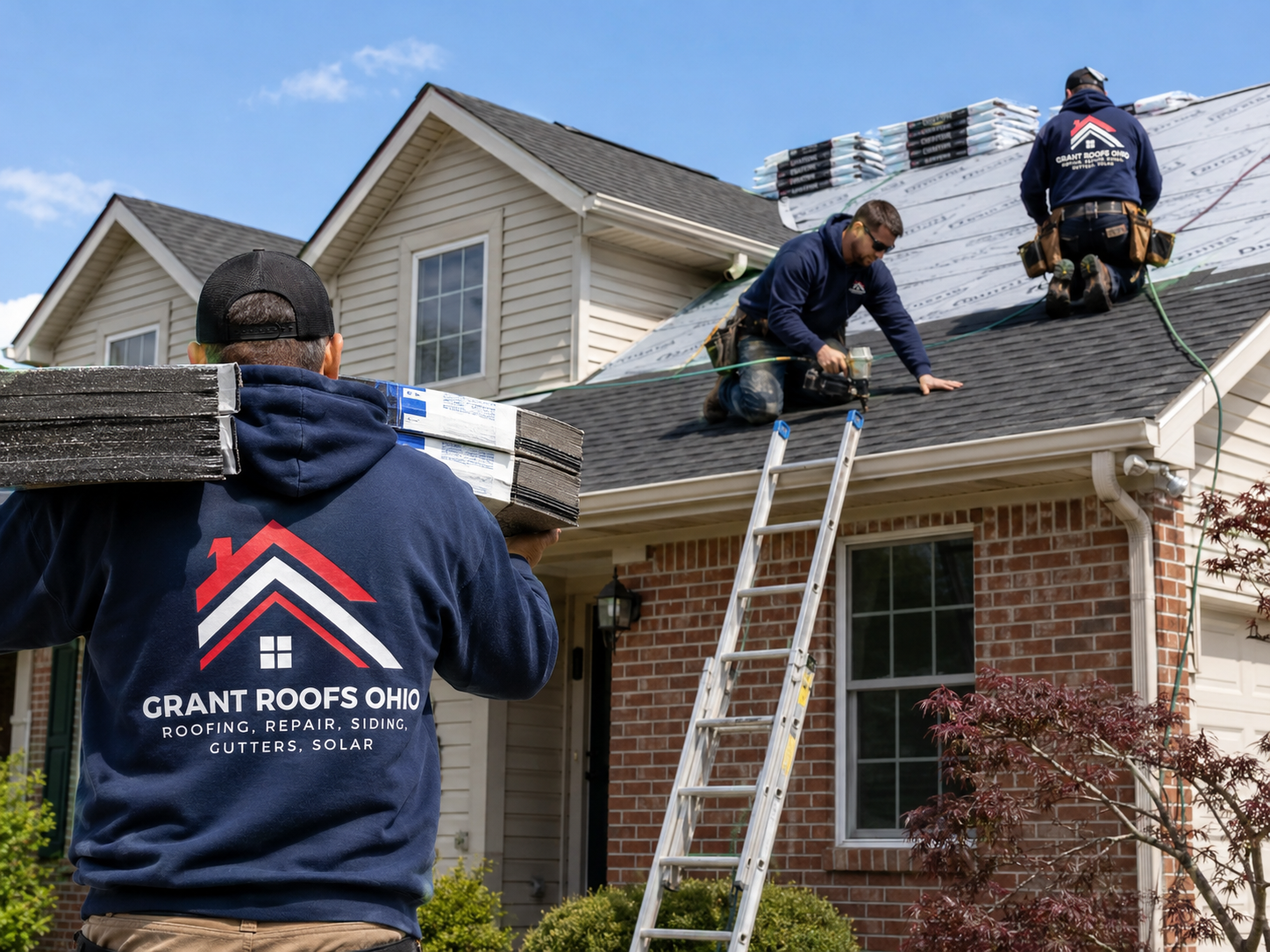
Rocky River is close to Grant Roofs Ohio’s Westlake home base, which makes this a natural service area for ongoing roof repair—not just storm-season work. Our approach centers on identifying the problem, documenting it, and recommending the smallest scope that makes sense for the roof’s condition.
- Hands-on inspection backed by photo documentation
- Repair capability for shingles, flashing, penetrations, and ventilation
- Drone imagery when it helps clarify difficult roof areas
- Repair-versus-replacement recommendations based on condition
- Local crews focused on communication and jobsite cleanup
- Owens Corning Preferred Contractor credentials for qualifying replacement work
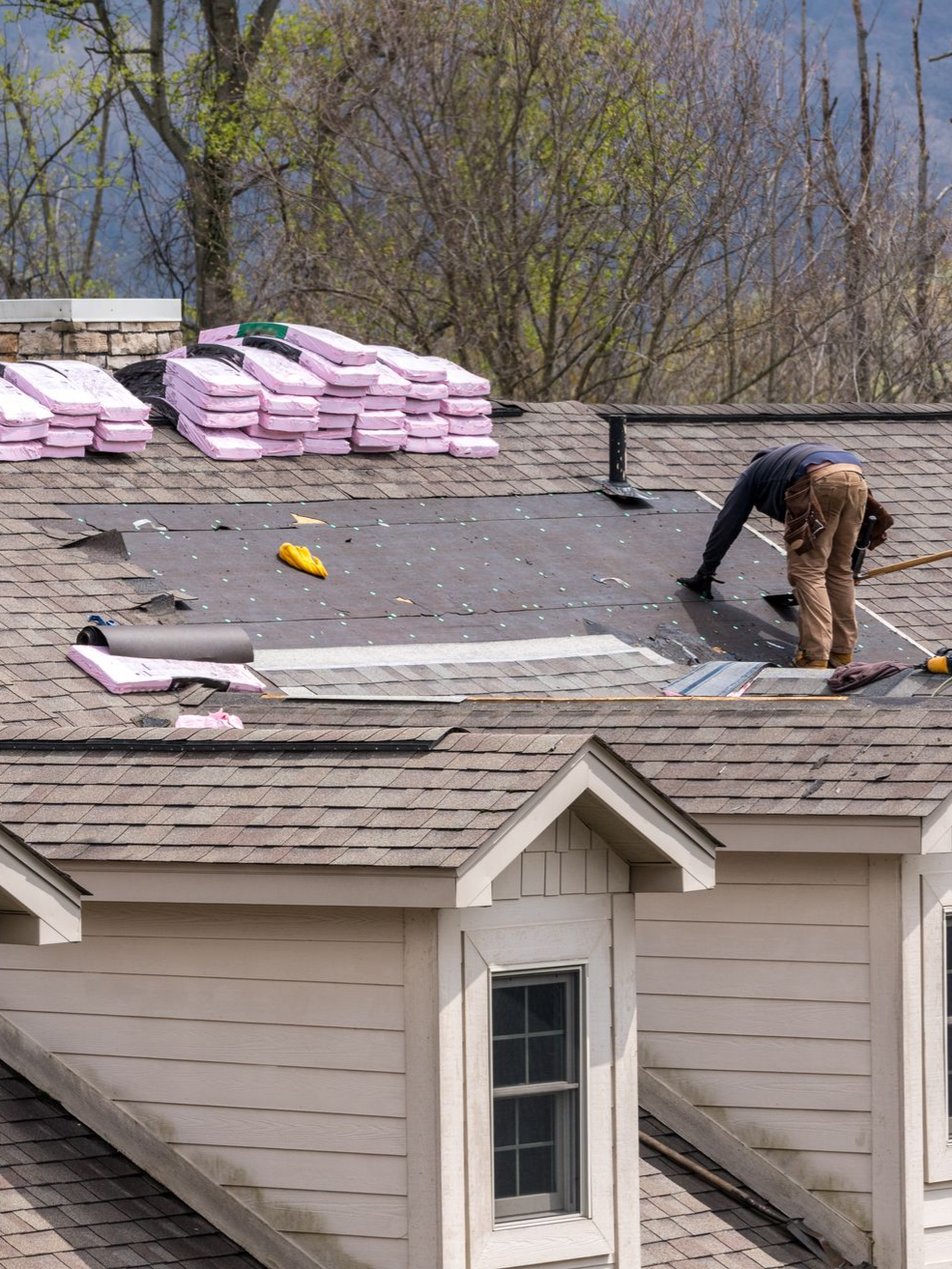
Roof problems do not always stop at the shingles. A leak can be influenced by overflowing gutters, poor attic airflow, siding transitions, or flashing where roof planes meet walls. Grant Roofs Ohio can evaluate those related components and explain whether they should be corrected as part of the repair or monitored separately.
For a city-wide look at roofing options, visit the Rocky River roofing contractor page. You can also review the broader Expert Roof Repair page or compare replacement, ventilation, and other home roofing options on our Residential Roofing page.
Can you repair a leak around a chimney or sidewall?
Often, yes. Chimney and sidewall leaks frequently involve flashing, counterflashing, sealant transitions, or nearby shingles. We inspect the full detail first so the repair addresses the actual water path.Does lakefront wind change what you inspect?
It can. Strong wind can lift shingles, loosen ridge components, and push rain into vulnerable flashing or roof-edge details. We check both visible damage and nearby components that may have been stressed.What if the ceiling stain is not directly under the roof leak?
That is common. Water can travel along decking, framing, or underlayment before it becomes visible indoors. The inspection focuses on tracing the likely entry point rather than assuming the stain marks the source.Can you document storm damage before I call insurance?
Yes. We can inspect and photograph visible roofing damage before you decide whether contacting your carrier makes sense. The insurance company still determines coverage under your policy.When does replacement make more sense than another repair?
Replacement becomes worth discussing when problems are widespread, repairs are recurring, shingles are too brittle to work with reliably, or the roof is near the end of its useful life. We explain the evidence behind that recommendation.
If you have an active leak, wind damage, flashing trouble, missing shingles, or a roof issue that keeps returning, start by finding out exactly where the system is failing. Grant Roofs Ohio will document the condition and explain the most practical next step.
Call (216) 223-1234 or request a Rocky River Roof Diagnostic today.